Originally known as the Association of Veterinary Teachers and Research Workers (renamed in the early 2000’s), the association was the brainchild of Dr T.E. Gibson and D.L Hughes in 1945, both of whom were members of the Veterinary Research Club (VRC) and proposed the formation of the association at a meeting on the 12th October 1945.
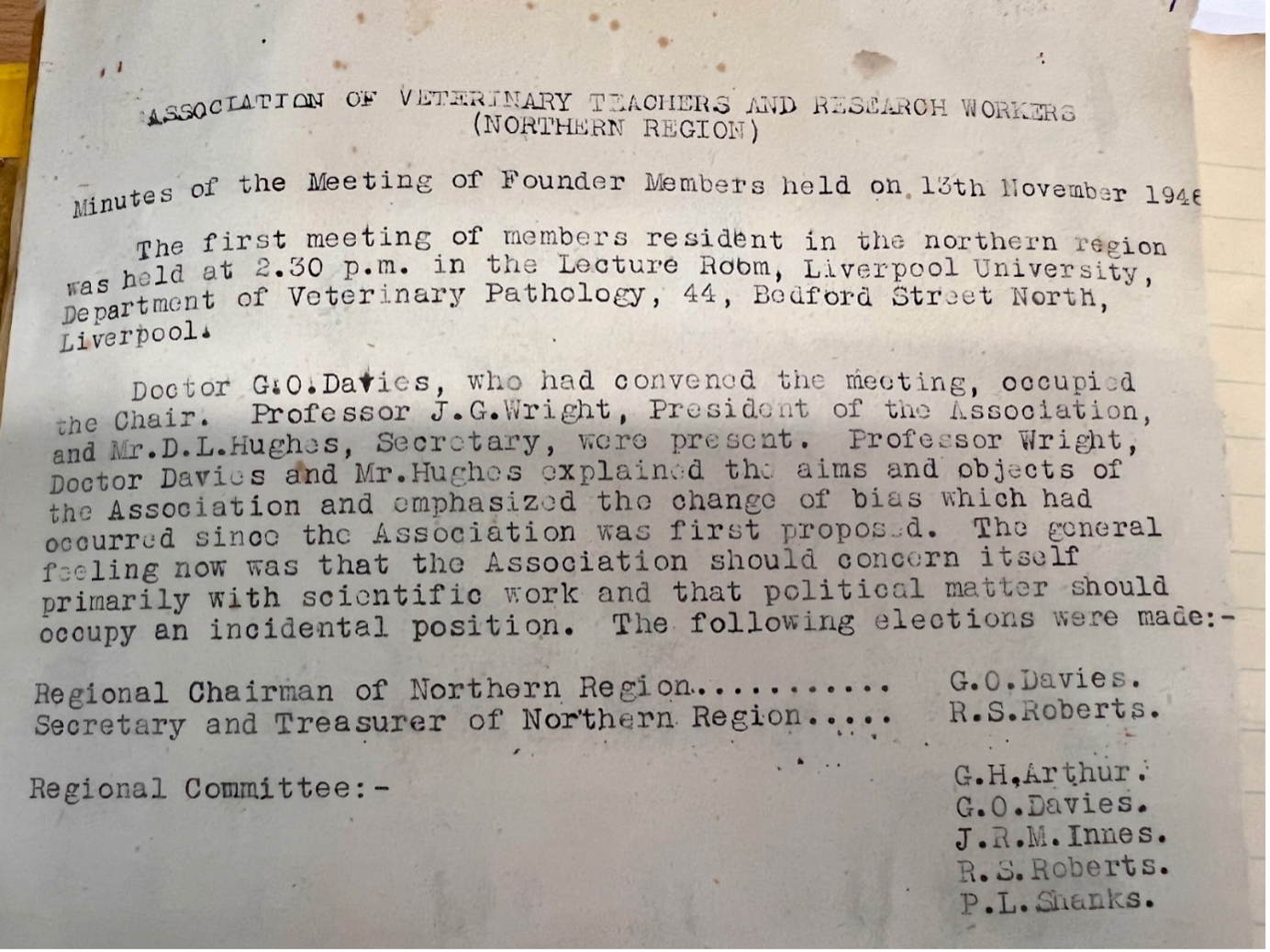
The AVTRW then had its inaugural meeting on the 12th April 1946. It started life as the ‘political offspring’ from the VRC, but this was subsequently put aside to concentrate on science, developing into a unique forum for exchanges of ideas on veterinary education between teachers and research workers. Indeed, it was initially very keen to distinguish itself from veterinary practitioners, only beginning to encourage them into the association in the 1980s:
The association originally had regional divisions; Northern Region, Southern Region, Northern Ireland and Scotland. Each region held around three annual meetings on scientific subjects, with the whole association coming together once per year for a conference and AGM to allow the exchanging of ideas as well as being an enjoyable social occasion.
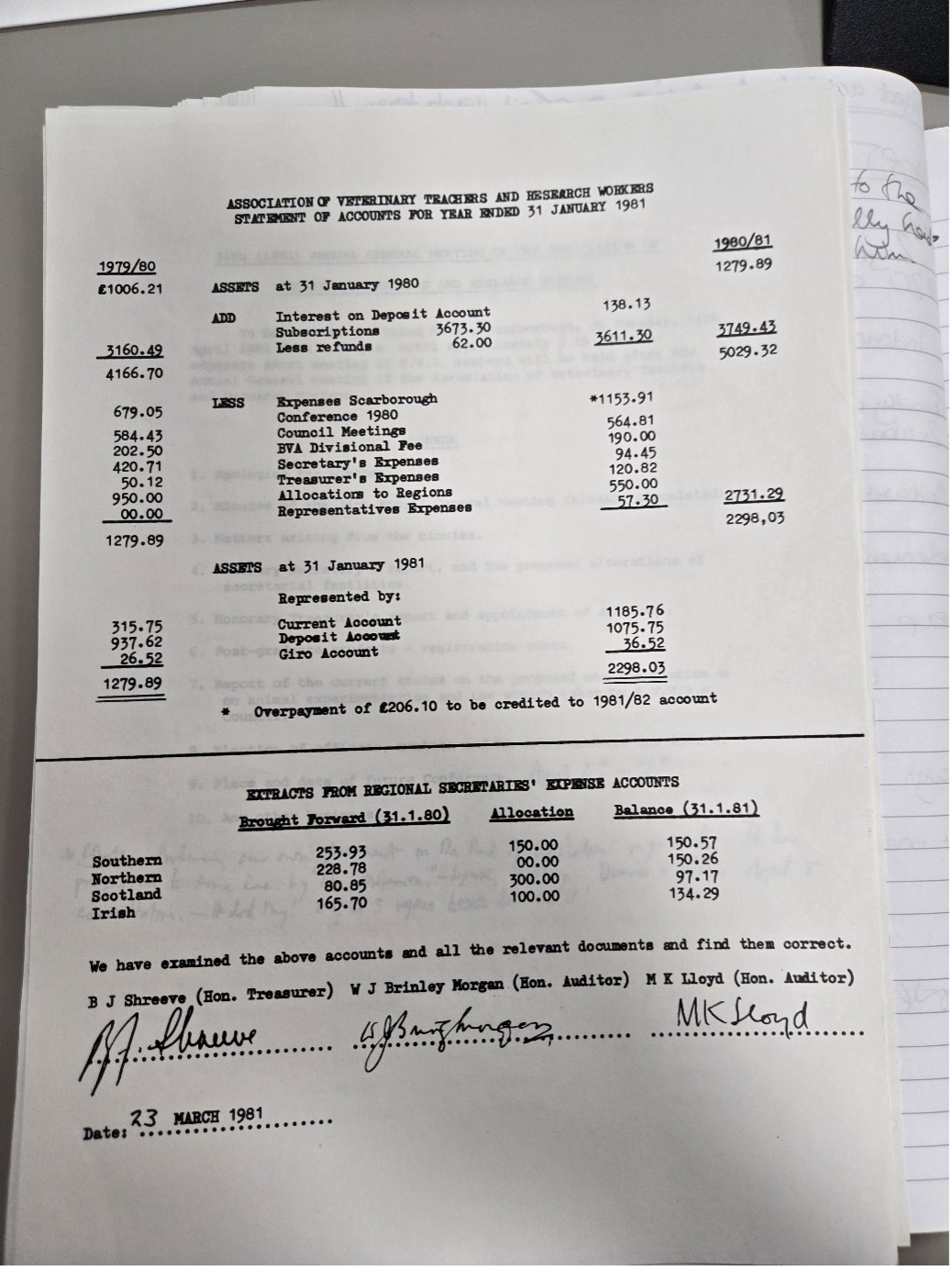
Members were regularly asked to contribute to working groups and discussion papers, often working closely with the British Veterinary Association (BVA). The membership fees for the association have always been relatively modest to encourage attendance and interactions:
In 1975 travel to conferences was limited due to “financial stringency” – so some themes are recurring it seems!
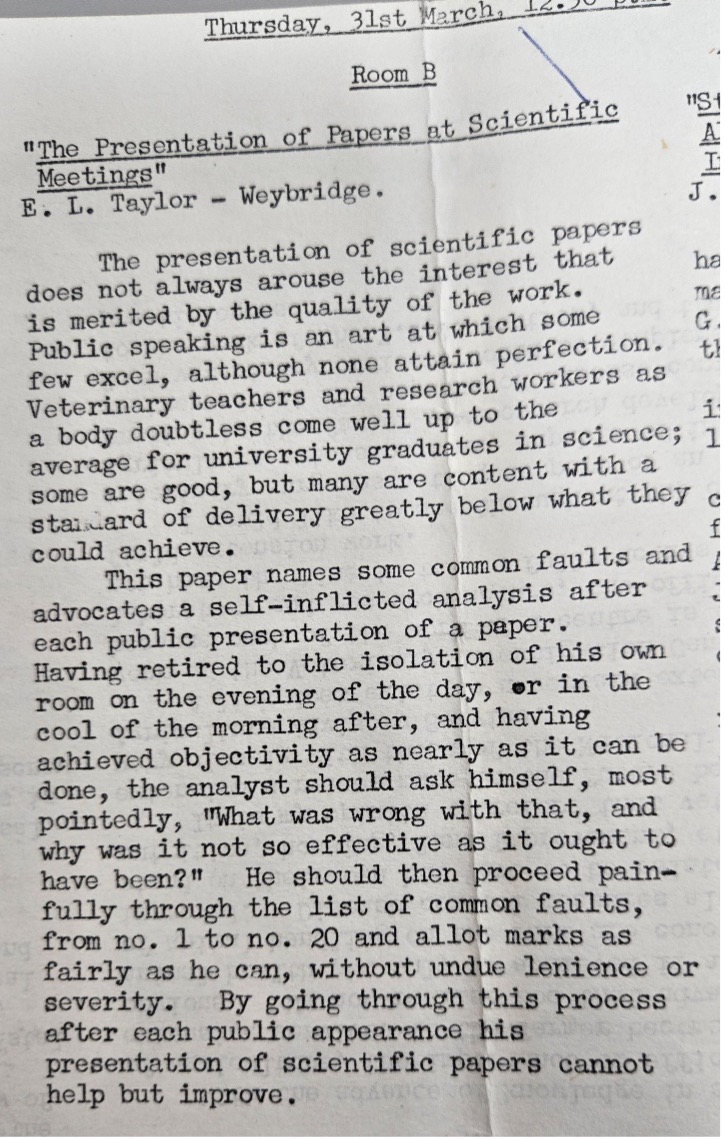
Early conference topics were notably biased towards production animal work, with food production still high on the governments priority list following the ending of the second world war. However it is clear to see that the presentation of scientific papers was still a skill under development, as shown in this abstract from the 1960 conference:
The association reached its heyday in the 1980’s with over 800 members, and conferences hosted at the grand Hotel in Scarborough running four presentation streams with over 200 abstracts presented and over 200 people attending. Indeed, the conferences were historically quite grand events, including wine receptions and formal meals:
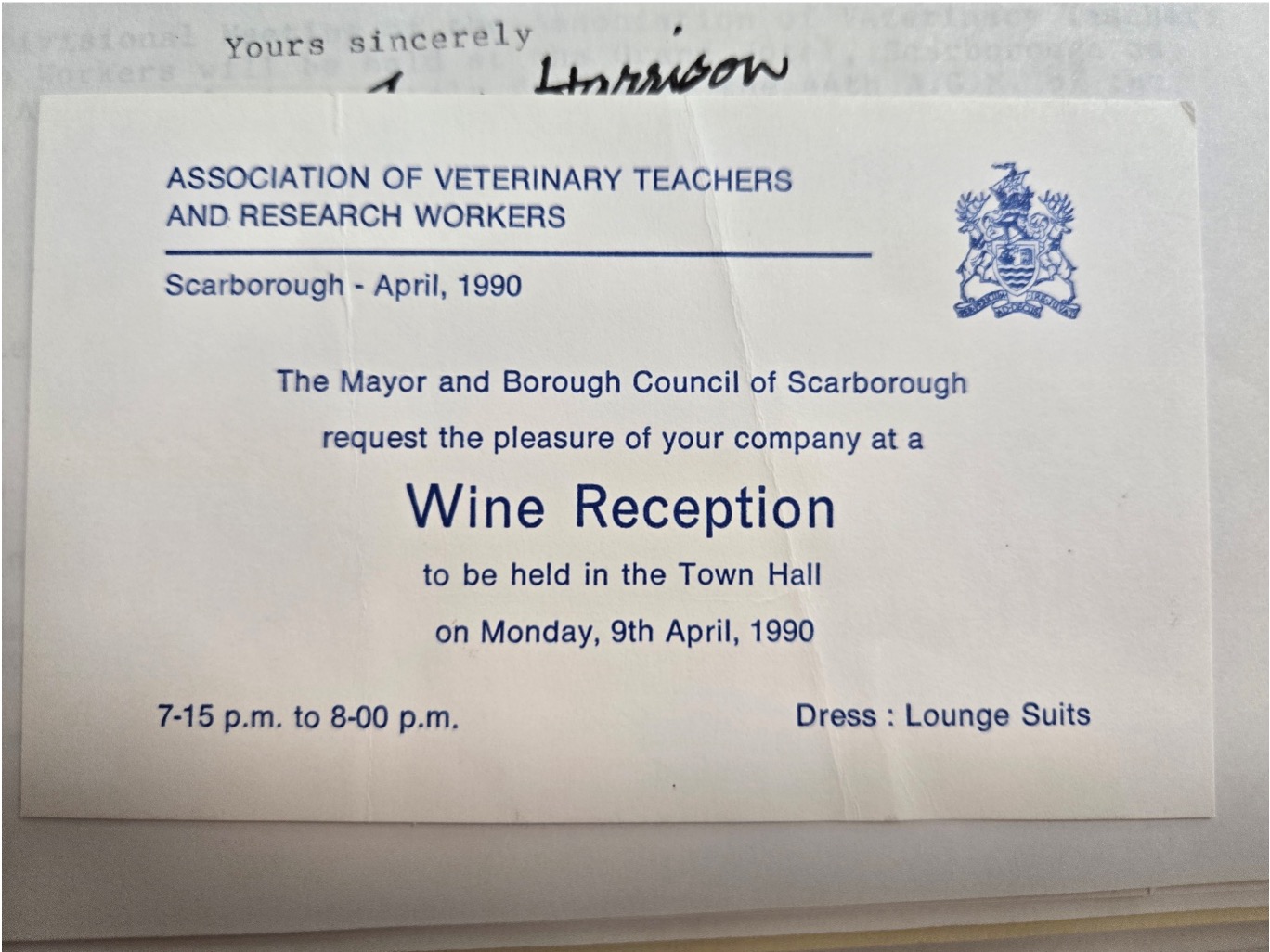
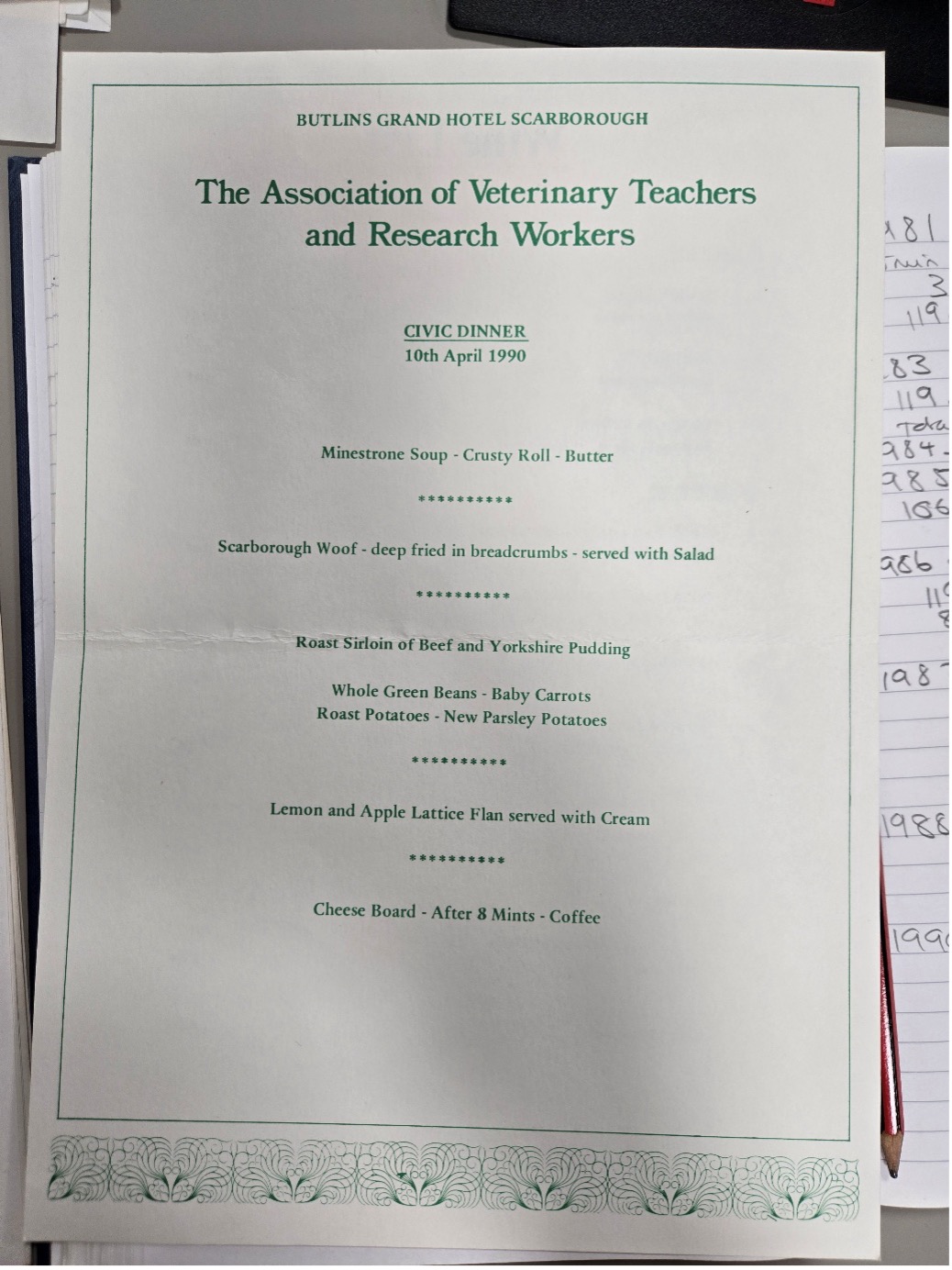
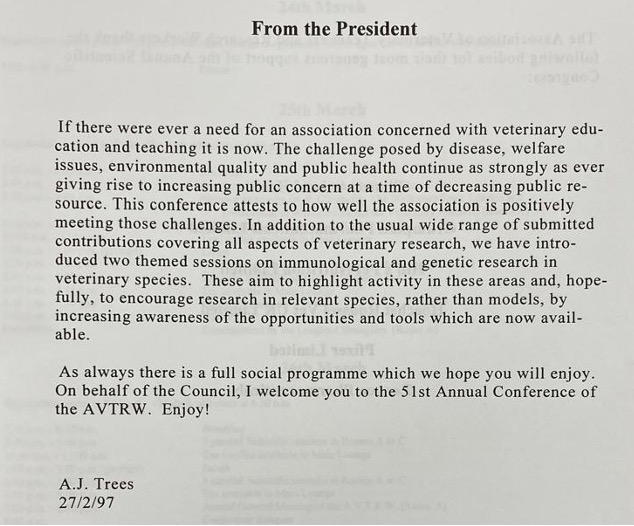
With increasing costs associated with hosting the annual conference in Scarborough, the decision was made to move the conference to institutions who are friendly and appreciative of the association, allowing costs to be kept to a minimum. Today, the conference still offers a chance for both established and early career researchers to share their work, with a wide range of topics not found at other more specialist associations:
Education
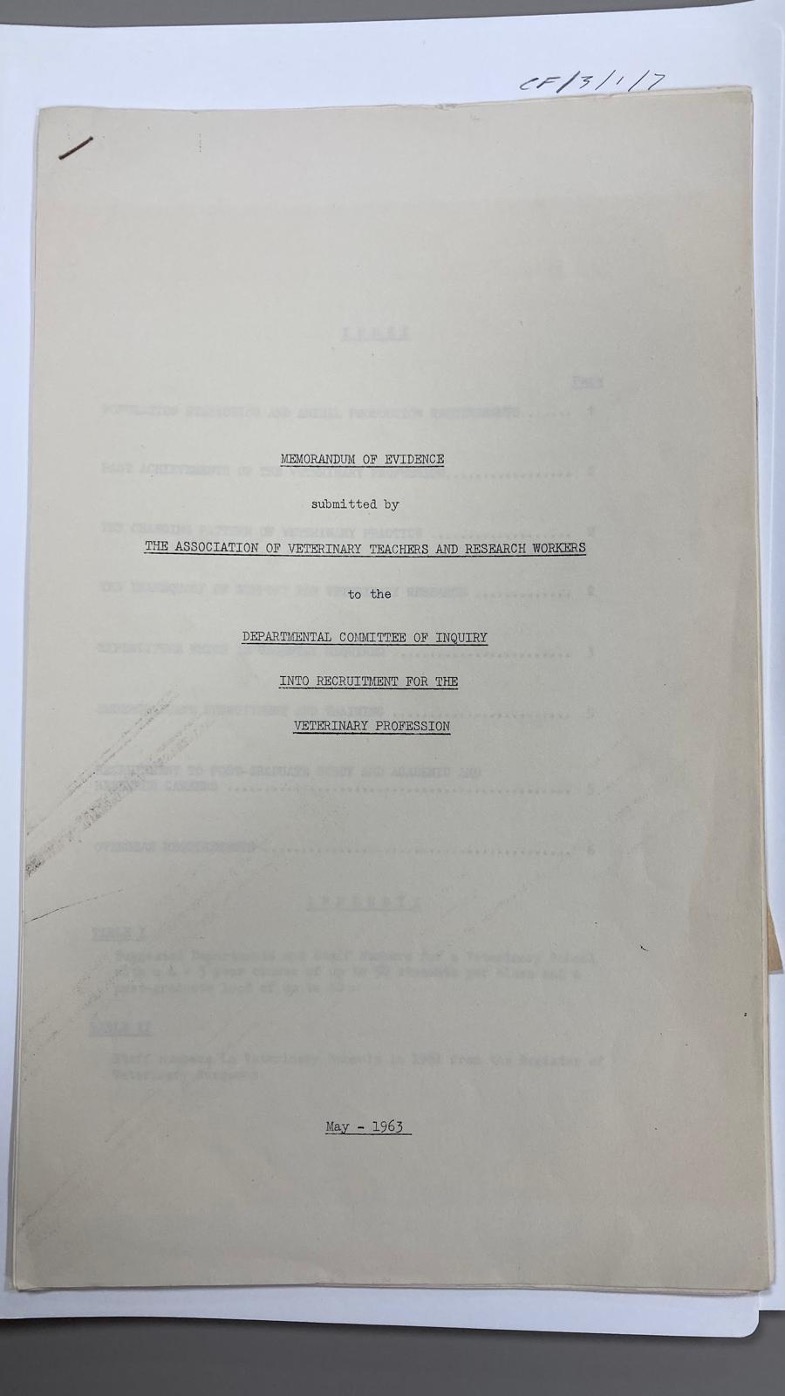
Veterinary education has always been a key objective, with the aim to encourage the advancement and development of facilities for teaching. The association continually highlighted the need for improved resourcing for undergraduate veterinary education, lobbying the RCVS to ensure proper funding and prompting universities to make the most effective use of their resources through integration of with the private sector, state veterinary services, and research and commercial institutions. The association was integral to drawing to attention the shortage of vets entering the teaching and research professions, as seen in this memorandum of evidence:
The commitment of the association to education has always been integral to its core values, wanting to ensure graduates were capable of basic competence, sound scientific judgement, and the capacity and motivation to continue their development. In the late 1980’s, attention was drawn to areas lacking within the veterinary curriculums, namely animal welfare, pain, clinical pharmacology and laboratory animal science.
With the end of the Association for Veterinary Clinical Teachers in 1988, the AVTRW made attempts to ensure clinical teachers were welcomed into our association, ensuring inclusivity for all involved in delivery of veterinary education.
The association was also involved with the redevelopment of the undergraduate education system in the 1990s, presenting their own recommendations in the face of changing needs such as a move towards increased companion animal work, a worry over the lack of food hygiene experts, and a need to consider the increasing role of information technology. Underpinning all of this was the continued recognition of the need to ensure research was still a primary component of the people delivering the teaching, helping to ensure research into all areas of the veterinary field were continued and supported. The association encouraged the move away from education provided by university departments in specific disciplines (biochemistry, physiology, anatomy, histology, pharmacology, pathology, bacteriology, virology, parasitology, animal husbandry, food hygiene, veterinary surgery and obstetrics, and practice of veterinary medicine), towards a rigorously defined course in which subjects were integrated vertically and horizontally to give a single Veterinary Science course that provides an understanding of normal and abnormal biology of animals with some degree of uniformity between the vet schools. The association also favoured a move away from students just memorising information, towards small group teaching and problem orientated learning to allow assimilation of knowledge through asking questions and searching and interrogating relevant information, combined with development of communication skills.
Up until the 1980s, there had been a cap on the total number veterinary undergraduate intakes each year to around 400. However the growth in veterinary manpower needed saw a removal on this cap, leading to increases in both the number of veterinary schools as well as the total number of undergraduates, aided by the introduction in student fees to help cover the costs of the delivery of this course. The association was keen to promote the maintenance of high teaching standards, with staff:student ratios of 1:5 being encouraged as well as ensuring staff have time for research, but it was evident even then that university staff were stretched!
Veterinary Research
In 1972, the association produced a paperon animal experimentation to help form new policy – this was very modern forthe times.
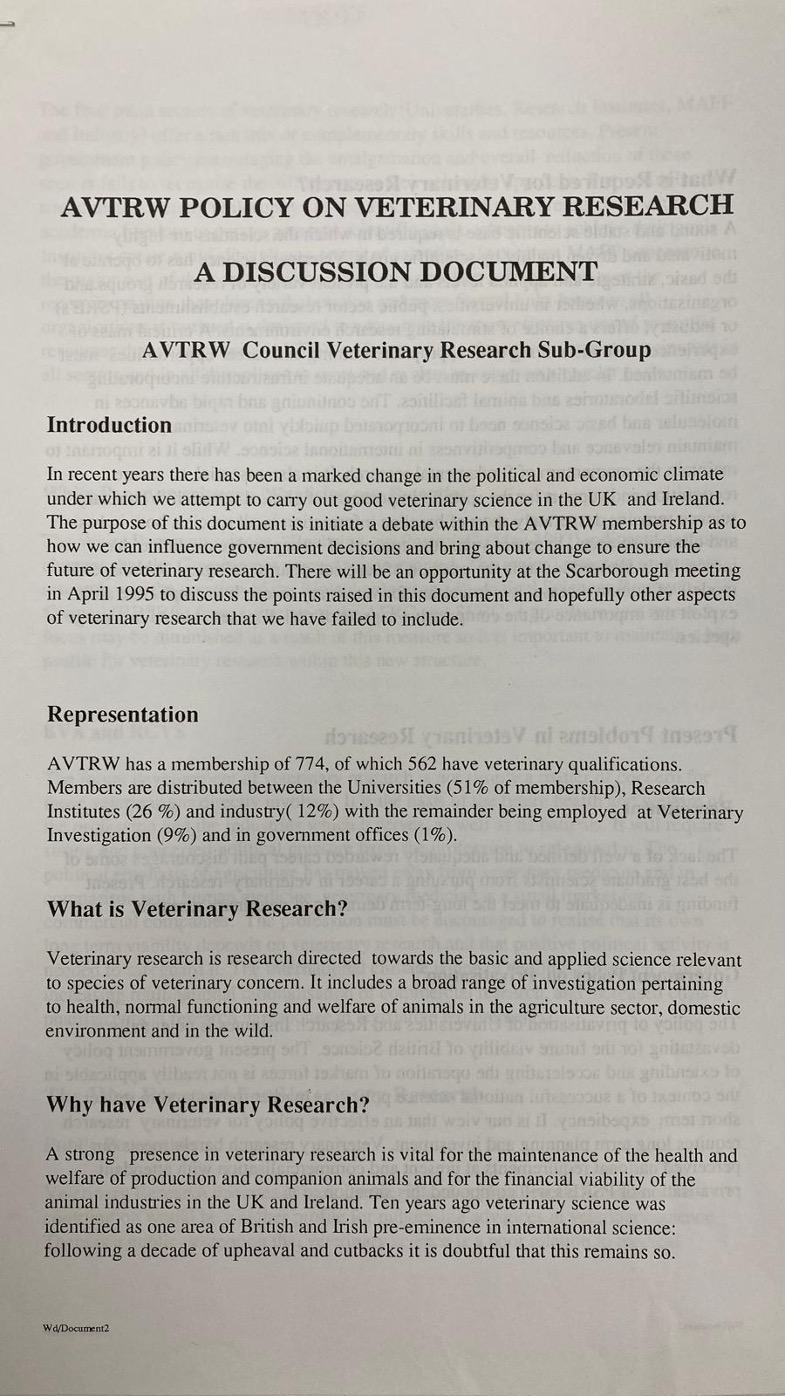
The pressures brought about by the cold warsaw the government move funding away from veterinary research, and towardsdeveloping information technology system and nuclear physics programs in 1983.This reduced the budget available for the agricultural research and developmentfrom the Ministry of Agriculture, Fisheries and Food (MAFF), as well reducingsupport to research laboratories.
AVTRW Members
There is a long and distinguished list of people who have been involved in the association, but key to its success have been the committee members who work hard to organise events, provide representation and keep the ledgers in order:
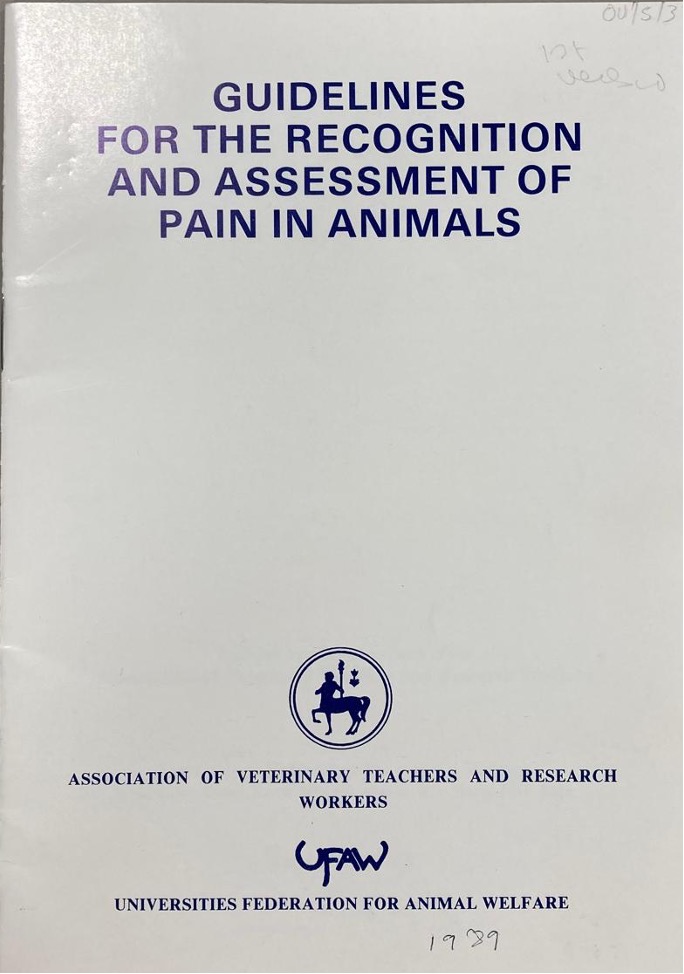
There have been many notable members of the association include Olga Uvarov, a Russian born vet who was instrumental in developing guideline for the recognition of pain in animals, working alongside UFAW to ensure animal welfare became embedded in both teaching and research. Olga was also the first female President of both our association, the RCVS, the Central Veterinary Society, the Society of Women Veterinary Surgeons, the Laboratory Animal Science Association and the Royal Society of medicine (comparative medicine).
Connie Ford was a very active member of the Northern Region, whose impressive recording keeping has been entrusted to the RCVS archive, with many AGM minutes and conference proceedings held within her collection from the 1960s-80s. She was a keen proponent of preventative medicine with the growing interest in epidemiology during her time in the association.
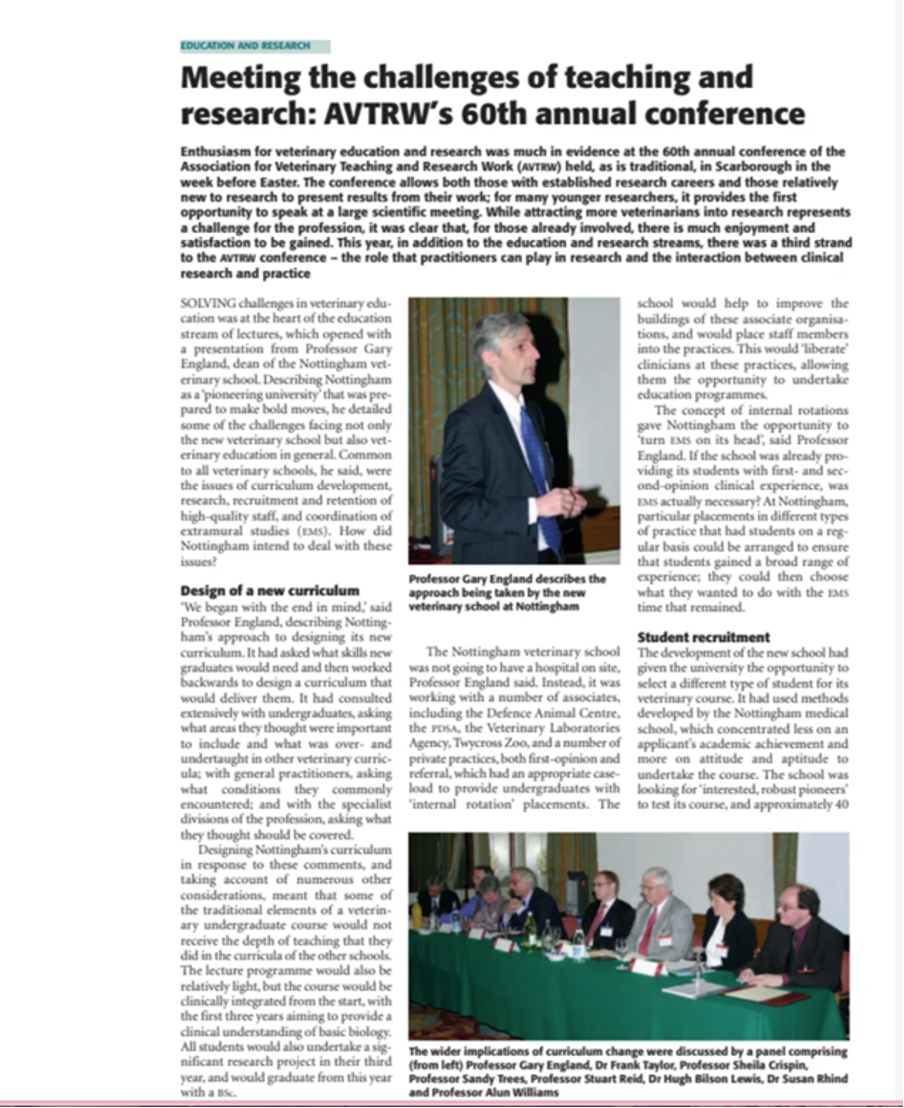
Lord Sandy Trees is a previous president, as is Stuart Reid, the current Principle of the Royal Veterinary College.
Gary England, Head of the University of Nottingham School of Veterinary Medicine, presented at AVTRW prior to the opening of the new vet school.
AVTRW Awards
The association has given out a member of awards, including the Wellcome Trust Medal for Veterinary Research, which was establish in 1989 following the death of Keith Sinclair. This award was presented biennially along with £500 to recognise individual excellence in veterinary research.
Although the size and influence of the association may have dimmed in the recent decades, our drive to encouraging veterinarians into the field of research as remained steadfast. Today the association is endeavouring to encourage undergraduates into careers in research, with the Diamond Jubilee awards starting to celebrate the 75th anniversary of the association, and since continuing as
the Acorn Awards.
Back to About Us